Exhibition at the museum
Spain between two centuries from Zuloaga to Picasso (1890-1920)
From October 07th, 2011 to January 09th, 2012
-
Musée de l'Orangerie
Map & itinerary

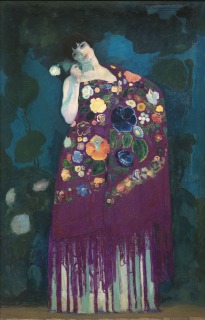
Granadina, vers 1914
Barcelone, Museu Nacional d'Art de Catalunya
© ADAGP, Paris © MNAC ?R Museu Nacional d'Art de Catalunya, Barcelona © Photo : Calveras/Mérida/Sagristà" / DR
The exhibition presents two visions of Spain: Black Spain, with Zuloaga and Solana as its major representatives, and White Spain idealised by Sorolla's luminous, shimmering palette. Taking these two different sensibilities and the proliferation of artistic movements that appeared one after another at the dawn of the 20th century, the exhibition demonstrates how constant contact with Paris, the capital of New Painting, led the majority of these artists to adopt new idioms, while still remaining the heirs to El Greco, Ribera and Goya, and retaining part of their Hispanic identity.
The exhibition is now over.
See the whole program